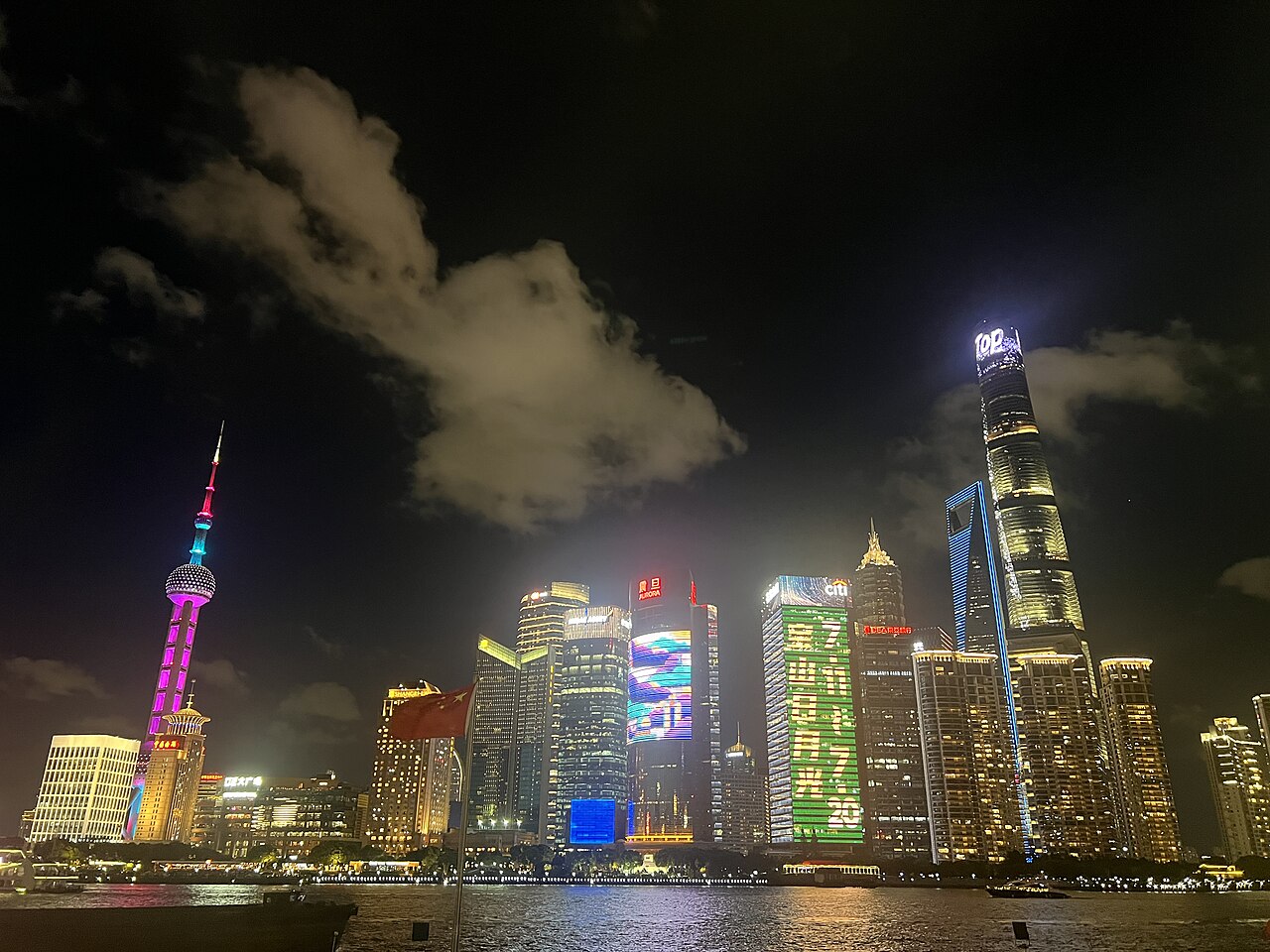
The China International Import Expo is scheduled for 5–10 November in Shanghai. Canada’s Trade Commissioner Service lists it as an opportunity for businesses in agriculture and processed foods, life sciences and consumer products. The political question extends beyond exhibition stands: when does access to a large market create useful alternatives, and when might it concentrate dependence? The answer will require evidence about the terms of trade and their practical use. [1]
The development
The organisers describe the country exhibition as part of China’s effort to demonstrate economic openness. They also say Canada has accepted an invitation to be a guest country of honour. These are statements about the event’s intended message and participation. They give us a reason to follow the diplomacy, while leaving the commercial consequences to be established. [2]
The accompanying Hongqiao Forum includes a session on 5 November devoted to the twenty-fifth anniversary of China’s WTO accession. Its announced programme connects China’s development with debate about the trading system’s future. China became a WTO member on 11 December 2001; the November session marks the anniversary year, rather than the date of entry. [3][4]
Why it matters
An invitation and a usable trading relationship are different achievements. Exporters need to understand standards, approvals, contractual terms and the treatment they can expect after entering a market. Canada’s own guidance describes China as commercially promising while identifying significant regulatory and political risks. The opportunity therefore needs to be assessed alongside the conditions that govern it. [1]
WTO principles provide one way to frame that assessment. Non-discrimination, negotiated commitments and transparency are intended to make trading conditions more predictable, subject to the agreements’ qualifications and exceptions. Membership supplies a framework for examining conduct; it cannot settle every question about a particular transaction or relationship. [5]
For a government seeking diversification, another destination may create an alternative source of demand. Whether it increases room to act depends on how usable that alternative becomes, how costly it would be to replace, and which decisions remain exposed to another actor’s choices. More connections can spread vulnerability or create new concentrations. Their number alone does not tell us which has happened.
Four tests of a trading opportunity
The signal
Who is invited, and what political message accompanies the offer?
The terms
Which rules, approvals and conditions govern participation?
The access
Which businesses can make practical use of the arrangement?
The delivery
What trade occurs, and which alternatives become usable?
What to watch
First, identify the instrument behind each announcement. A statement of intent, a commercial contract and a change in market-access rules make different commitments. Follow who is responsible, what conditions apply and when the arrangement takes effect.
Second, separate signing from delivery. Headline deal totals become more informative when the period covered, the nature of the commitment and subsequent shipments or payments are clear. An exhibition can open a conversation whose economic significance remains to be demonstrated.
Third, examine reciprocity and alternatives. Which firms can use the opportunities being offered, and what barriers remain? Does a new relationship widen their options elsewhere? The useful comparison is between the choices available before and after an arrangement, with attention to smaller businesses as well as prominent participants.
The wider argument
An English School reading examines markets alongside sovereignty, diplomacy and the shared practices that sustain international society. Its institutions encompass more than particular organisations. [6] The WTO is one arena in which states organise commitments and contest their application. Shanghai offers Lines of Influence a practical test: can commercial competition remain embedded in accepted rules and reciprocal obligations? The SDG question concerns whose productive capacity and opportunities improve. A powerful market acquires durable diplomatic significance through the terms others can use and regard as legitimate.
Sources & notes
- Government of Canada Trade Commissioner Service, China market guidance and CIIE 2026 event listing, 5–10 November; accessed 2 November 2026 ↗Back to the briefing ↑
- China International Import Expo Bureau, Country Pavilion programme and announced guest-country participation for the ninth CIIE; accessed 2 November 2026 ↗Back to the briefing ↑
- CIIE Bureau, Hongqiao Forum preview: China’s WTO accession anniversary session scheduled for 5 November, published 27 October 2026; accessed 2 November 2026 ↗Back to the briefing ↑
- World Trade Organization, China member information: membership from 11 December 2001; accessed 2 November 2026 ↗Back to the briefing ↑
- World Trade Organization, Principles of the trading system: non-discrimination, negotiated commitments and predictability; accessed 2 November 2026 ↗Back to the briefing ↑
- LSE Research, The fluctuating fortunes of the market, 23 September 2025: Robert Falkner discusses his work with Barry Buzan on the market and primary institutions; analytical framework, accessed 2 November 2026 ↗Back to the briefing ↑
This briefing separates reported developments and official positions from interpretation and questions to watch. Prepared with AI assistance. Read our editorial approach.