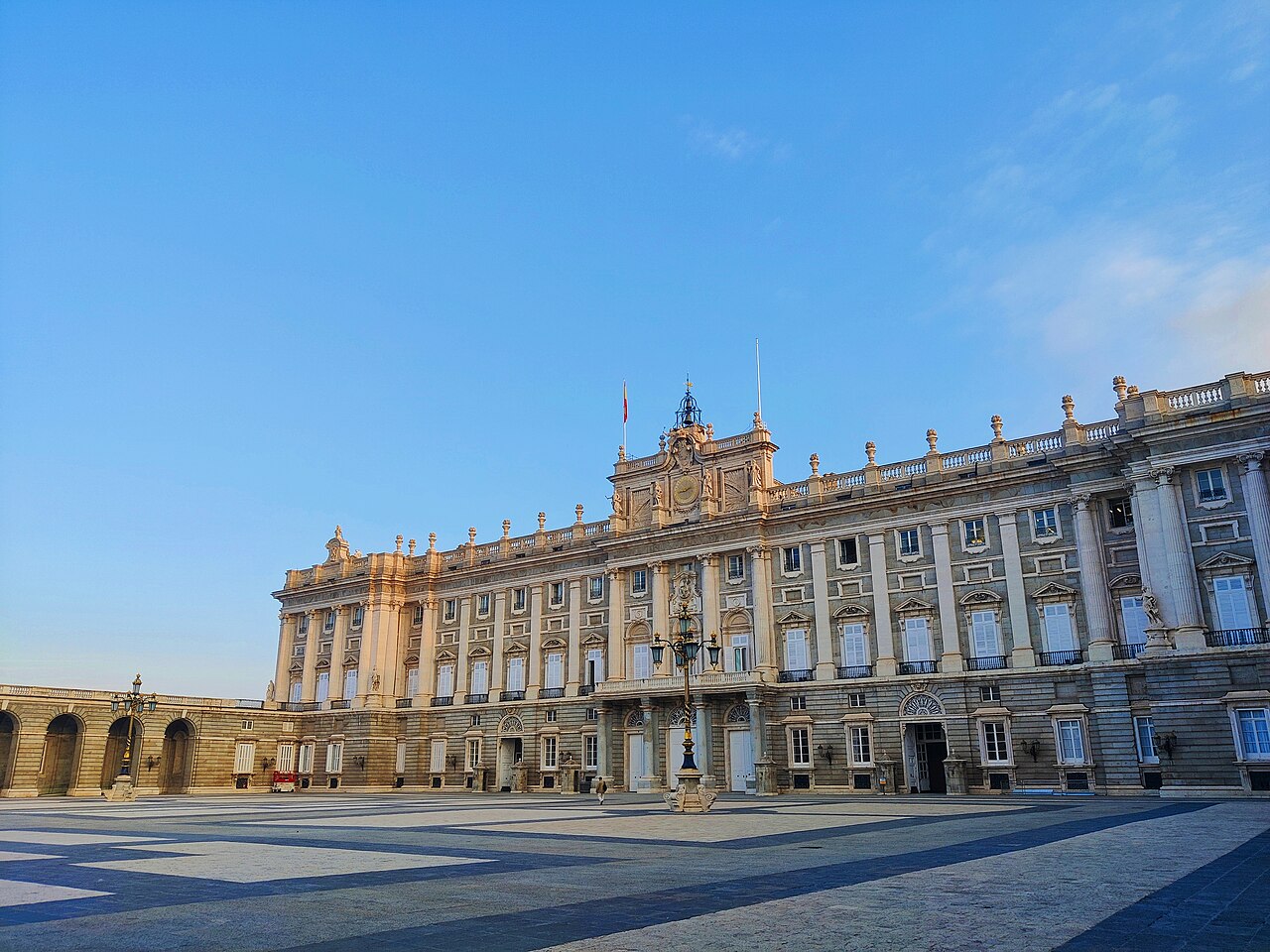
Madrid’s Ibero-American Summit, scheduled for 4–5 November, offers a test of what regional diplomacy can achieve between the headline meetings. Spain’s programme connects digital cooperation, disaster preparedness and recognition of qualifications with the opportunities available to people across the region. The question is how those ambitions acquire the institutions and resources needed to become useful. [1]
The development
The summit serves the Ibero-American community’s 22 member countries. Spain’s stated priorities include a digital alliance, stronger cooperation against disasters, arrangements for care and support, and greater mobility through recognition of studies and qualifications. These are interconnected policy ambitions. Endorsing them would still leave decisions about who implements them, how participation works and which commitments receive sustained support. [1]
Preparatory diplomacy is already under way: SEGIB lists a meeting of national coordinators and cooperation officials in Madrid on 2–3 November. That sequence matters. Much of the work of making a summit productive lies in the negotiations that establish what leaders can actually agree. The scheduled meeting is evidence of preparation, not evidence of a settled outcome. [2]
Why it matters
The proposed environmental cooperation makes the stakes tangible. The 2026 Ibero-American Environmental Agenda sets out work on national early-warning systems, coordination of forecasts and warnings, and technical capacity. Those connections could make expertise available across borders. Their eventual value would depend on whether warnings are timely, institutions can act and communities receive information they can use. These remain tests of delivery, rather than results established by the agenda. [3]
The same document records Argentine reservations concerning references to the 2030 Agenda and certain other concepts. Cooperation therefore begins amid disagreement about shared language and responsibilities. It is worth following how those differences affect practical commitments, rather than reading a regional document as evidence that every participant shares the same political understanding. [3]
From the negotiating room to people’s lives
- Scheduled meeting
Prepare
Coordinators and cooperation officials meet in Madrid, 2–3 November.
- Scheduled summit
Agree
The Ibero-American Summit convenes in Madrid, 4–5 November.
- Question to follow
Implement
Which bodies, resources and participation rules make a commitment usable?
- Future evidence
Assess
Who can use the resulting services, and what has improved?
What to watch
First, follow the institutional details. Which bodies will coordinate each initiative, and which national agencies are expected to act? A named network becomes more informative when its remit, membership and reporting arrangements are clear.
Second, examine the means of implementation. Announced funding, technical assistance and training should be read alongside their conditions and timetable. A commitment to cooperate does not establish that a programme has the staff or resources to operate.
Third, ask how progress will be assessed. For educational mobility, the relevant questions include which qualifications are covered and whether recognition becomes usable. For disaster preparedness, look for operational arrangements and evidence of public access. These are questions for subsequent investigation; the summit cannot supply an instant measure of their effects.
Finally, keep the distribution of benefits in view. A regional initiative may create opportunities while leaving practical barriers for people with fewer resources. Following who can participate is part of assessing whether cooperation expands choice.
The wider argument
Goal 17 places partnerships and the means of implementation within the SDG framework. [4] An English School reading asks how sovereign states sustain common rules while disagreeing about cooperation’s purposes. [5] Madrid makes that tension concrete: protecting national choice and accepting responsibilities for human welfare may generate different demands. The test for Lines of Influence is whether a regional arrangement can manage those disagreements while making cooperation useful. Its legitimacy will depend partly on whose needs shape the terms and who can hold the participants answerable for delivery.
Sources & notes
- Spanish government, XXX Cumbre Iberoamericana: venue and stated priorities, 8 September 2026; accessed 2 November 2026 ↗Back to the briefing ↑
- SEGIB, IV meeting of national coordinators and cooperation officials, scheduled 2–3 November 2026 (undated event page); accessed 2 November 2026 ↗Back to the briefing ↑
- Ibero-American Environmental Agenda, 2026, especially PDF pages 14–15 on early warning and page 25 on reservations; published by Spain’s MITECO, April 2026; accessed 2 November 2026 ↗Back to the briefing ↑
- United Nations, Sustainable Development Goal 17, targets on partnerships and implementation (undated goal page); accessed 2 November 2026 ↗Back to the briefing ↑
- Barry Buzan, From International to World Society? (2004), introductory excerpt: international society, common rules and institutions; Cambridge University Press. Analytical framework, accessed 2 November 2026 ↗Back to the briefing ↑
This briefing separates reported developments and official positions from interpretation and questions to watch. Prepared with AI assistance. Read our editorial approach.